
How to Choose the Right Roofing Material for Your Barossa Home


Understanding Your Climate Needs
Choosing the right roofing material for your Barossa home begins with understanding the local climate. The Barossa Valley is known for its Mediterranean climate, with hot summers and cool, wet winters. This means your roofing material must withstand high temperatures and provide adequate insulation during colder months.

Consider materials that offer thermal regulation, such as clay tiles or metal roofing. These options not only reflect heat but also provide durability against the elements. Understanding your climate needs is crucial to ensuring that your roof lasts for decades.
Exploring Material Options
Metal Roofing
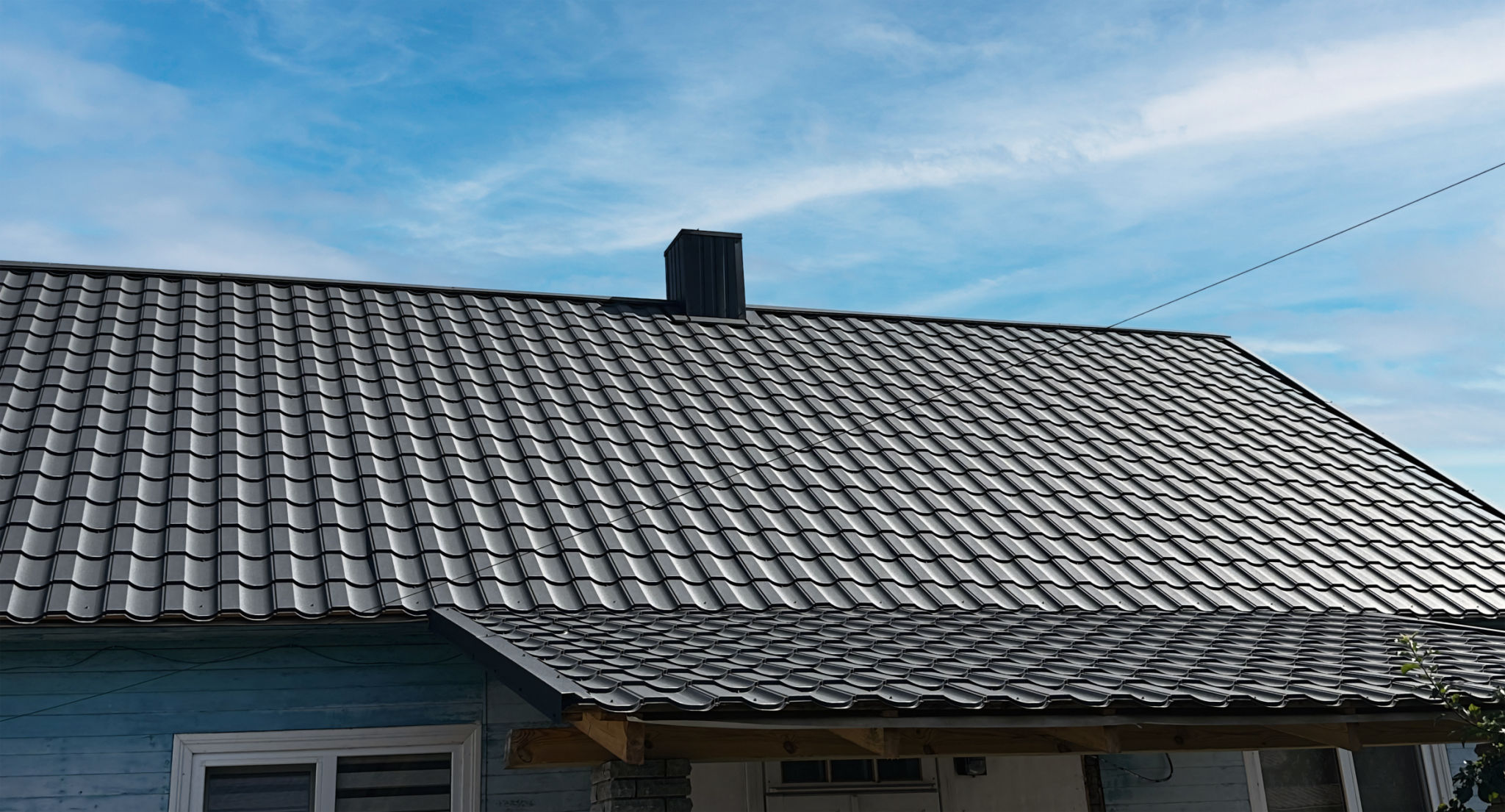
Metal roofing is popular for its durability and energy efficiency. It reflects sunlight, which can help reduce cooling costs during the hot Barossa summers. Additionally, metal roofs are lightweight and resistant to strong winds and heavy rain.
Clay and Concrete Tiles
Clay and concrete tiles offer a classic look and are well-suited for the Barossa climate. They provide excellent thermal insulation, keeping your home comfortable year-round. While they may be heavier, their longevity and minimal maintenance make them a worthwhile investment.
Considering Aesthetic Appeal
Your roofing choice should complement the architectural style of your home. The Barossa Valley is famous for its picturesque scenery and charming homes, so selecting a material that enhances your home's aesthetic is important. Whether you prefer the sleek look of metal or the rustic charm of clay tiles, ensure it aligns with your home's design.

Budget and Longevity
Budget is a significant factor when choosing roofing materials. Metal roofs, although initially more expensive, can offer cost savings over time due to their durability and low maintenance. Clay and concrete tiles might have a higher upfront cost but provide excellent longevity.
Consider your long-term plans for the home. Investing in high-quality materials now can save you money on repairs and replacements in the future.
Environmental Impact
As sustainability becomes increasingly important, consider the environmental impact of your roofing materials. Metal roofing is often recyclable, reducing waste. Clay and concrete tiles, while not as eco-friendly, have a long lifespan, which can offset their environmental footprint over time.

Choosing a roofing material with minimal environmental impact not only benefits the planet but can also enhance your home's value and appeal.
Consulting Professionals
Finally, consulting with roofing professionals can provide valuable insights tailored to your specific needs. They can assess your home's structure, recommend materials, and offer installation advice. Engaging with experts ensures that you make an informed decision that aligns with both your budget and aesthetic preferences.