
Understanding the Cost of Roof Replacement: A Comprehensive Breakdown


Introduction to Roof Replacement Costs
Replacing a roof is a significant investment that homeowners will likely face at some point. Understanding the various factors that contribute to the overall cost can help you make informed decisions and budget appropriately. In this post, we'll explore the components that influence roof replacement expenses, providing you with a comprehensive breakdown.

Material Selection
The type of roofing material you choose is one of the most significant factors affecting the cost. Common materials include asphalt shingles, metal, wood shake, tile, and slate. Each comes with its own price range and durability considerations. For example, asphalt shingles are often the most affordable option, while slate is on the higher end of the cost spectrum but offers superior longevity.
Comparing Material Costs
Here's a quick comparison of typical material costs per square foot:
- Asphalt Shingles: $3 - $5
- Metal Roofing: $5 - $12
- Wood Shake: $6 - $9
- Tile: $8 - $15
- Slate: $10 - $30
Labor Expenses
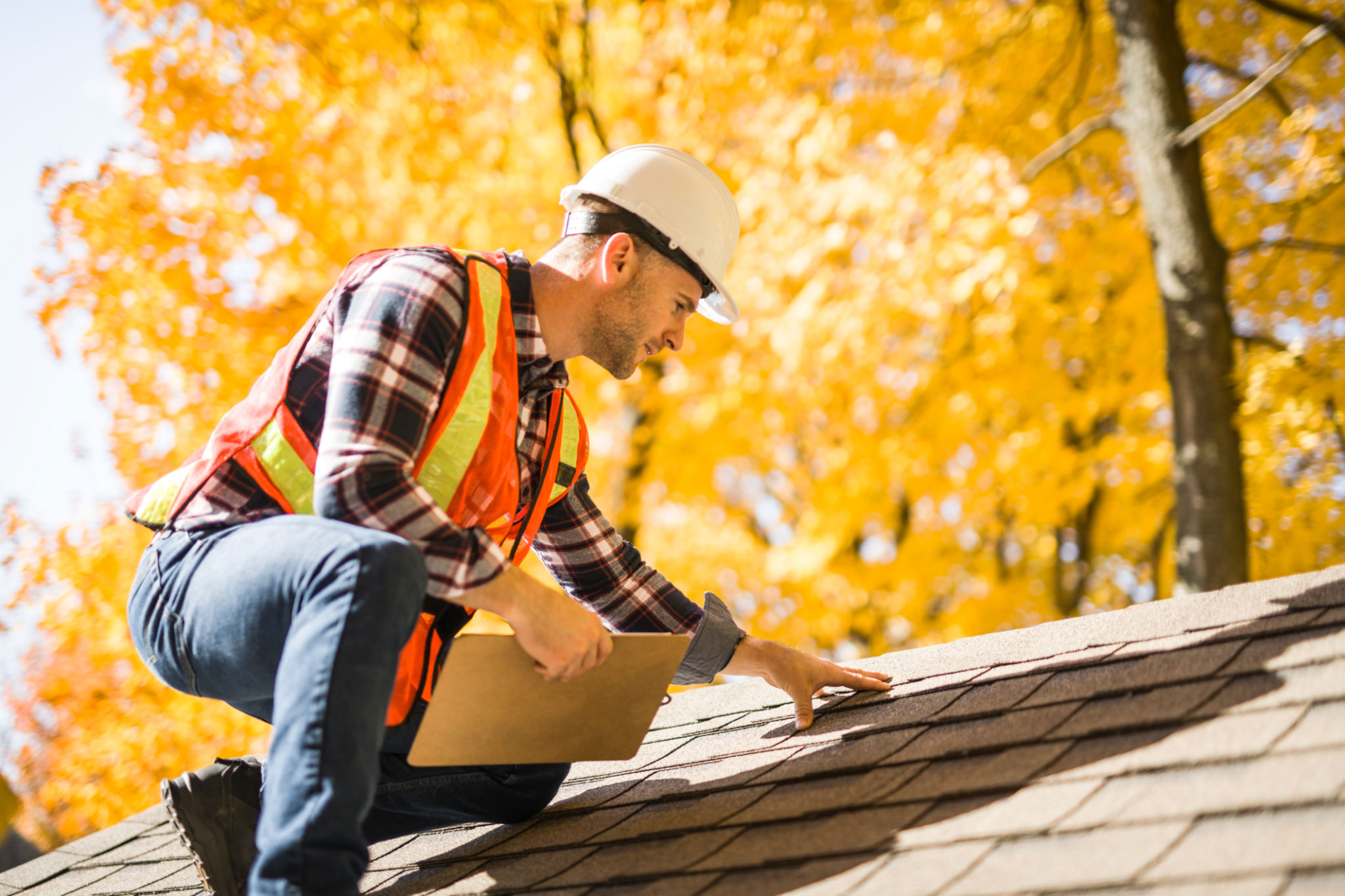
The cost of labor can vary significantly depending on your location and the complexity of the roof design. A simple, single-story roof will generally cost less in labor compared to a multi-story home with a complex roof structure. Labor costs typically account for about 40% to 50% of the total roof replacement expense.
Additional Factors Influencing Cost
Roof Size and Pitch
The size of your roof directly impacts the material and labor costs. Larger roofs require more materials and labor time. Additionally, the pitch or steepness of your roof can influence expenses. Steeper roofs are more challenging to work on, often resulting in higher labor costs.
Removal and Disposal of Old Roofing
Before installing a new roof, the old one must be removed. This process can add to the overall cost, especially if there are multiple layers of old roofing material. Disposal fees for the old materials also contribute to this expense.

Permits and Inspections
Many local governments require permits for roof replacement projects. The cost of these permits can vary, but they are an essential part of ensuring that your new roof meets building codes. Additionally, inspections may be required before, during, and after the installation process.
Final Considerations
When planning for a roof replacement, it's wise to obtain multiple quotes from reputable contractors to compare prices and services. Be wary of prices that seem too low, as this could indicate subpar materials or workmanship. Investing in quality materials and experienced professionals can save you money in the long run by reducing maintenance and repair costs.
Conclusion
Understanding the factors that contribute to roof replacement costs can help you make informed decisions that align with your budget and long-term home maintenance goals. By considering materials, labor, additional factors, and obtaining professional advice, you can ensure that your roof replacement project is both cost-effective and durable.